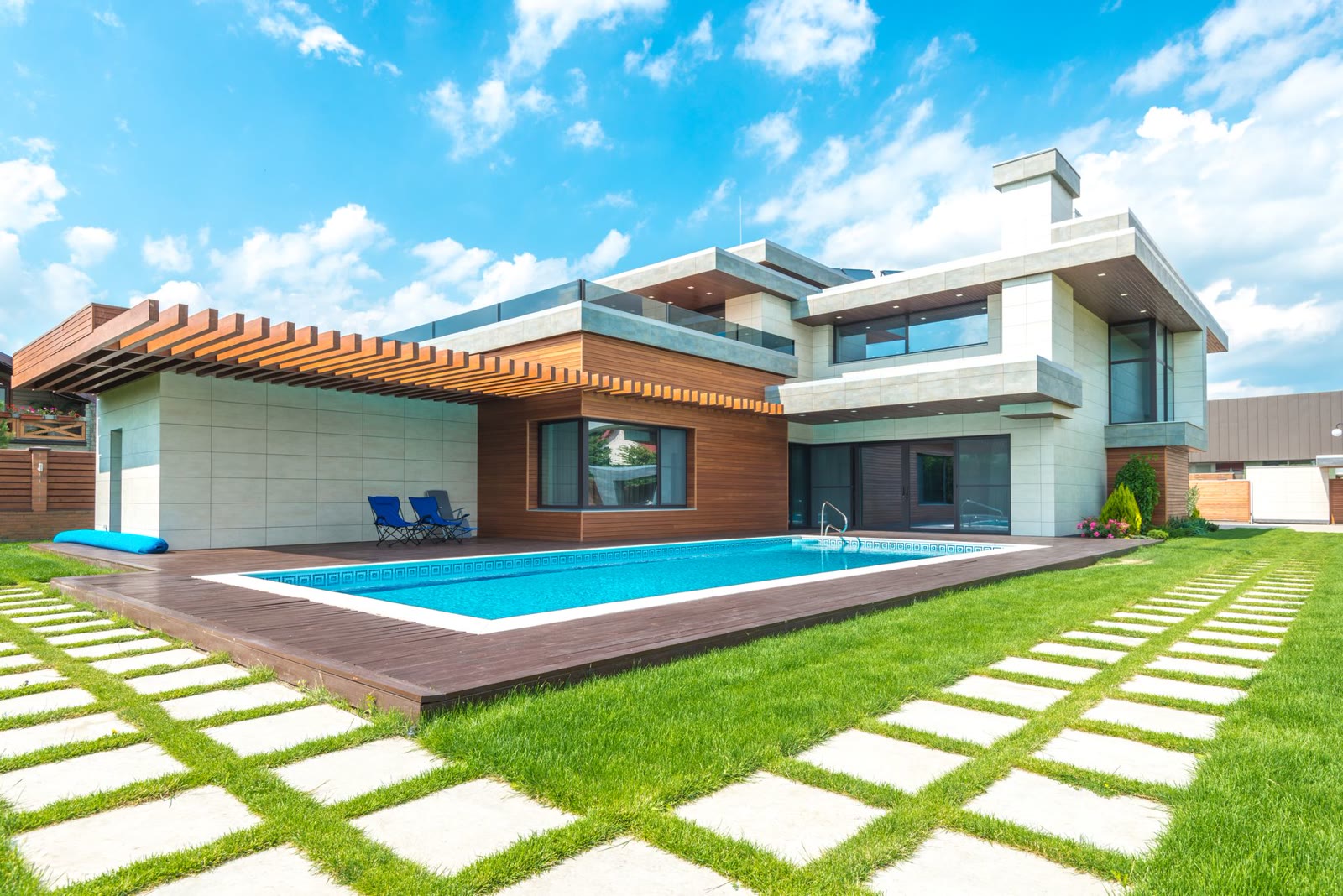
Lap Pool Builders in Austin, TX
A lap pool is built for a purpose: swimming. Long, narrow, and uniform in depth, it turns a side yard into a place you can train every morning.
Quick Answer
A lap pool is a long, narrow, uniform-depth pool built for swimming rather than lounging. Typical residential lap pools are 30 to 75 feet long, 8 to 10 feet wide, and 3.5 to 5 feet deep. In Austin they generally cost $60,000 to $130,000 in gunite, with price driven mostly by length. Where a yard is too short, a swim jet or endless-pool current lets you swim in place in a pool as short as 15 feet.
About Lap Pools in Austin
Lap pools trade versatility for purpose. Uniform depth, straight walls, and length are what make a pool swimmable; curves, ledges, and varying depth are what make it fun to lounge in. Decide which of those you actually want before you design, because trying to do both usually produces a pool that is mediocre at each.
Length is the main decision. A true 25-yard lane is 75 feet and needs a large lot. Most Austin homeowners build 40 to 50 feet, which is enough for real training with more turns, or 30 to 40 feet for fitness swimming. Width of 8 to 10 feet is standard for a single lane, and depth of 3.5 to 5 feet is enough for swimming while keeping heating and water volume manageable.
If the yard cannot take the length, a swim jet changes the equation entirely. A powerful counter-current lets you swim continuously in place in a pool as short as 15 feet, which fits many Austin lots that could never take a true lap pool. It costs less than the extra 30 feet of pool would, and the same vessel still works for cooling off and entertaining.
Who this service is best for
Austin-Specific Considerations
- Long, narrow central-Austin lots often have a side yard that suits a lap pool better than the back yard does.
- A lap pool's linear footprint uses less impervious cover than a wide pool of similar volume, which helps under City of Austin limits.
- Austin's long season makes a lap pool genuinely usable most of the year, and a heater extends it to all twelve months.
- On sloped lots, running the pool along the contour rather than across it dramatically reduces retaining and excavation cost.
Benefits
Real training at home
A 40 to 50 foot lane supports genuine fitness and triathlon swimming without a gym membership.
Fits narrow lots
A linear pool works in side yards and long thin lots where a conventional pool cannot go.
Architectural clarity
A long rectangle of water suits modern Austin architecture and reads as a designed feature, not an add-on.
Swim jets when length is short
A counter-current lets you swim in place, delivering the workout in a fraction of the footprint.
Our Process
- 01
Discovery & Design Consult
Share your backyard goals, lot details, and budget. We help you connect with a local pool professional who reviews the space, sun exposure, and drainage to shape a realistic concept.
- 02
3D Design & Fixed Quote
Review a custom pool design with materials, finishes, water features, and decking, paired with a transparent line-item estimate before any commitment.
- 03
Permitting & Engineering
Plans are engineered for Central Texas soil and routed through City of Austin or the relevant municipal permitting for setbacks, fencing, and safety code.
- 04
Excavation & Structure
The pool shell is dug, steel is tied, plumbing and electrical are roughed in, and gunite or shotcrete is applied to form a durable, monolithic structure.
- 05
Finishes & Hardscape
Tile, coping, plaster or aggregate interior, decking, and outdoor living features are installed to bring the design to life.
- 06
Startup & Handover
The pool is filled, chemically balanced, and your equipment and maintenance routine are walked through so you can enjoy it with confidence.
Frequently Asked Questions
Most gunite lap pools in the Austin area fall between $60,000 and $130,000. Length is the single biggest driver, since you are paying for shell, plumbing, finish, and water by the linear foot: a 30 to 40 foot pool sits near the bottom of that range, a 50 foot pool in the middle, and a full 75 foot, 25-yard lane at the top or above it.
The rest comes from finish and equipment. A heater is close to essential if you want to train year round, and heating a long pool costs more than heating a small one, so a cover is a worthwhile investment. Automation, premium tile, and integrated decking add from there. A swim-jet pool is the budget alternative: a compact vessel with a counter-current typically runs $45,000 to $75,000 and delivers a comparable workout.