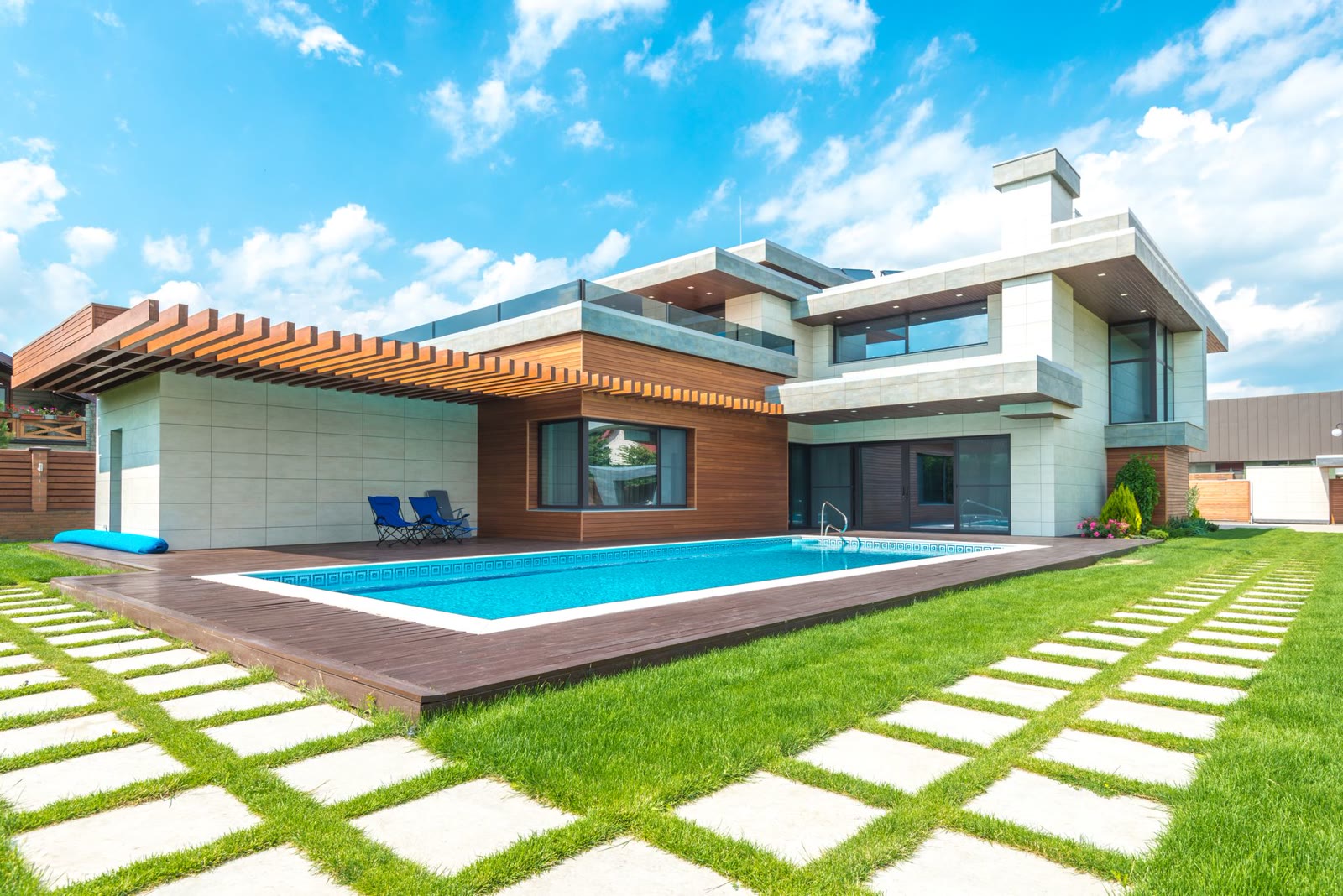
Pool Resurfacing in Austin, TX
Every pool interior has a lifespan. When plaster turns rough, stained, or chalky, resurfacing restores the shell and resets the clock for another decade or more.
Quick Answer
Pool resurfacing in Austin means removing the failing interior finish and applying a new one, typically plaster, quartz, or pebble aggregate. Most Austin pools need it every 8 to 15 years, sooner for basic white plaster in Central Texas hard water. Expect roughly $6,000 to $12,000 for standard replaster and $10,000 to $20,000+ for pebble finishes, depending on pool size. The job usually takes 1 to 2 weeks including drain, chip-out, application, and a careful startup.
About Pool Resurfacing in Austin
Pool plaster is a wear surface. Water chemistry, Central Texas hard water, and years of sun and brushing gradually erode it until the finish turns rough, chalky, or stained. Once the surface is compromised, it holds algae, feels abrasive, and eventually lets water reach the shell beneath it. Resurfacing strips the old finish back and applies a new interior that seals and protects the structure.
The finish you choose sets both the price and the lifespan. Standard white plaster is the cheapest and lasts around 7 to 12 years. Quartz-aggregate finishes are harder, more stain-resistant, and typically last 10 to 15 years. Pebble finishes, the premium choice in Austin, last 15 to 25 years, resist Central Texas water chemistry best, and give the water a deeper, more natural color.
Resurfacing is also the natural moment to address waterline tile, coping, and any spot repairs, because the pool is already drained and the crew is already on site. Doing them together costs far less than returning for each one separately.
Who this service is best for
Austin-Specific Considerations
- Central Texas hard water is calcium-rich, which scales white plaster quickly and makes quartz or pebble finishes a better long-term value.
- Austin's long swim season and intense UV accelerate surface wear compared to cooler climates.
- A drained pool should not sit empty long in expansive clay soil, so scheduling and refill are planned tightly.
- Hill Country well water can require careful startup chemistry to avoid staining a brand-new finish.
Benefits
Smooth underfoot again
Ends the rough, abrasive plaster that scrapes feet and swimsuits.
Protects the shell
A sound interior finish keeps water out of the gunite structure and prevents costly structural repair.
A new look without a rebuild
Changing finish color transforms how the water reads, from classic blue to deep lagoon, at a fraction of a full remodel.
Easier to keep clean
Quartz and pebble surfaces resist staining and algae far better than worn white plaster.
Our Process
- 01
Discovery & Design Consult
Share your backyard goals, lot details, and budget. We help you connect with a local pool professional who reviews the space, sun exposure, and drainage to shape a realistic concept.
- 02
3D Design & Fixed Quote
Review a custom pool design with materials, finishes, water features, and decking, paired with a transparent line-item estimate before any commitment.
- 03
Permitting & Engineering
Plans are engineered for Central Texas soil and routed through City of Austin or the relevant municipal permitting for setbacks, fencing, and safety code.
- 04
Excavation & Structure
The pool shell is dug, steel is tied, plumbing and electrical are roughed in, and gunite or shotcrete is applied to form a durable, monolithic structure.
- 05
Finishes & Hardscape
Tile, coping, plaster or aggregate interior, decking, and outdoor living features are installed to bring the design to life.
- 06
Startup & Handover
The pool is filled, chemically balanced, and your equipment and maintenance routine are walked through so you can enjoy it with confidence.
Frequently Asked Questions
For an average Austin pool, standard white replaster generally runs about $6,000 to $12,000, quartz-aggregate finishes about $9,000 to $16,000, and pebble finishes roughly $10,000 to $20,000 or more. Price scales with the surface area of the pool interior, so a large or deep pool costs proportionally more.
Several things push the number up: chipping out the old finish entirely rather than bonding over it (the right call on a pool that has already been resurfaced once or twice), replacing waterline tile and coping at the same time, and structural repairs discovered after the pool is drained. Because tile and coping share the same drain-and-refill cycle, bundling them into the resurfacing job is significantly cheaper than doing them as separate projects later.